
Skin & Pressure
Understanding Corns and Calluses: Symptoms, Diagnosis, Treatments, and Next Steps
Thickened skin from friction and pressure — why it forms, when it matters, and how we treat it safely.
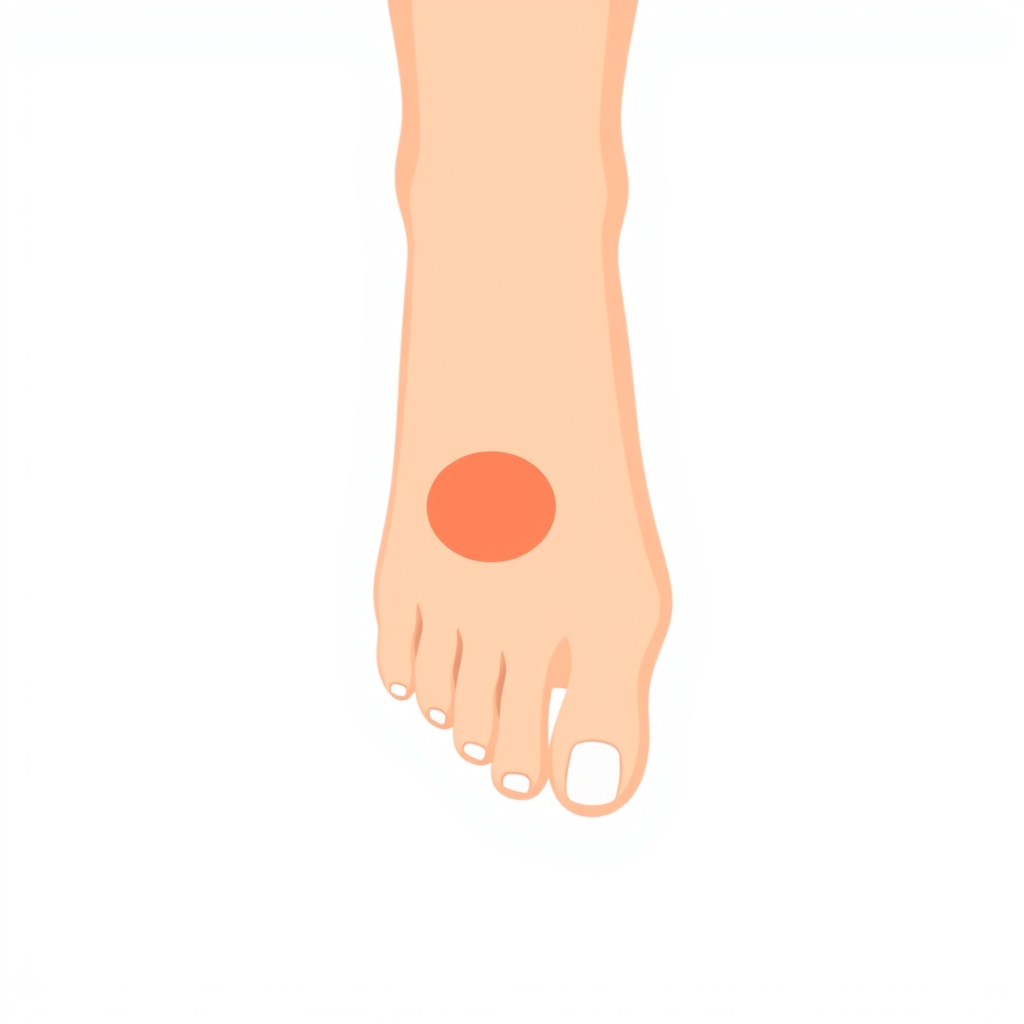
What are Corns and Calluses?
Corns and calluses are thick, hardened layers of skin that develop when your skin tries to protect itself against friction and pressure. They most often develop on the feet and toes or hands and fingers.
Symptoms of Corns and Calluses
The symptoms of corns and calluses can include:
- A thick, rough area of skin.
- A hardened, raised bump.
- Tenderness or pain under your skin.
- Flaky, dry, or waxy skin.
In pain now?
Same-week appointments available in Plano, TX.
Diagnosing Corns and Calluses
Diagnosis of corns and calluses typically involves a physical examination by a healthcare professional. They may also ask about your medical history, footwear, and any activities that may have caused pressure or friction on your skin.
Possible Treatments for Corns and Calluses
There are several treatment options for corns and calluses:
- Trimming away excess skin: Your doctor may shave down thickened skin or trim a large corn with a scalpel, usually during an office visit.
- Medicated products: Your doctor may recommend applying medication and moisturizer
- Injection Therapy: In some cases, injections of corticosteroids may be used to help reduce inflammation and relieve pain.
- Shoe inserts: Custom-made shoe inserts (orthotics) can fit into your shoes and help reduce friction and pressure on your corns and calluses.
Next Steps
If you’re experiencing symptoms of corns or calluses, it’s important to seek professional help. At Sharma Foot & Ankle Specialist, we’re dedicated to providing personalized care for your foot and ankle needs.
Don’t let foot discomfort hold you back. Reach out and make an appointment with us today. Your feet will thank you!
Ready to feel better?
Two ABPM board-certified podiatrists · On-site X-ray · Same-week visits in Plano, TX
Explore related conditions
Corns & Calluses rarely travel alone
Foot problems overlap. If your pain sounds more like one of these, jump straight to the page that fits — it’s all connected.
Frequently Asked Questions
What is the difference between a corn and a callus?
Corns and calluses are both thick, hardened layers of skin that form when the skin tries to protect itself against friction and pressure. Corns tend to be smaller, with a hardened raised bump that can be tender or painful, while calluses are usually broader, rougher patches of thickened skin. Both most often develop on the feet and toes.
What causes corns and calluses on your feet?
Corns and calluses develop when your skin tries to protect itself against repeated friction and pressure. On the feet, this is often linked to footwear and activities that put pressure on certain areas. They tend to form where the skin is rubbed or pressed most frequently.
How do I know if I have a corn or callus?
Common signs include a thick, rough area of skin, a hardened or raised bump, and skin that may feel flaky, dry, or waxy. You may also notice tenderness or pain under the skin. A healthcare professional can confirm the diagnosis with a physical exam and questions about your footwear and activities.
How are corns and calluses treated?
Treatment options can include trimming or shaving down the thickened skin during an office visit, applying medicated products and moisturizer, and using custom-made shoe inserts (orthotics) to reduce friction and pressure. In some cases, corticosteroid injections may be used to help reduce inflammation and relieve pain. Your doctor can recommend the approach that fits your situation.
Is it safe to cut or remove corns and calluses at home?
Trimming or shaving thickened skin is generally best done by a doctor, who may use a scalpel during an office visit to do it safely. Removing corns or calluses yourself can risk injury or infection, especially if you have diabetes or poor circulation. If you are unsure, it is safer to have a healthcare professional evaluate them.
When should I see a podiatrist for corns and calluses?
If you are experiencing symptoms of corns or calluses, or if they become painful, persistent, or are not improving, it is a good idea to seek professional help. At Sharma Foot & Ankle Specialist in Plano, TX, we provide personalized care for your foot and ankle needs, and patients can book an appointment online. Don’t let foot discomfort hold you back.
This information is for educational purposes only and is not a substitute for professional medical advice. If you’re experiencing symptoms, please consult a qualified healthcare provider.