
Heel & Arch Condition
Understanding Plantar Fasciitis: Symptoms, Diagnosis, Treatments, and Next Steps
One of the most common causes of heel pain — what it is, how we diagnose it, and every way we treat it.
Explore related conditions
Plantar Fasciitis rarely travels alone
Foot problems overlap. If your pain sounds more like one of these, jump straight to the page that fits — it’s all connected.
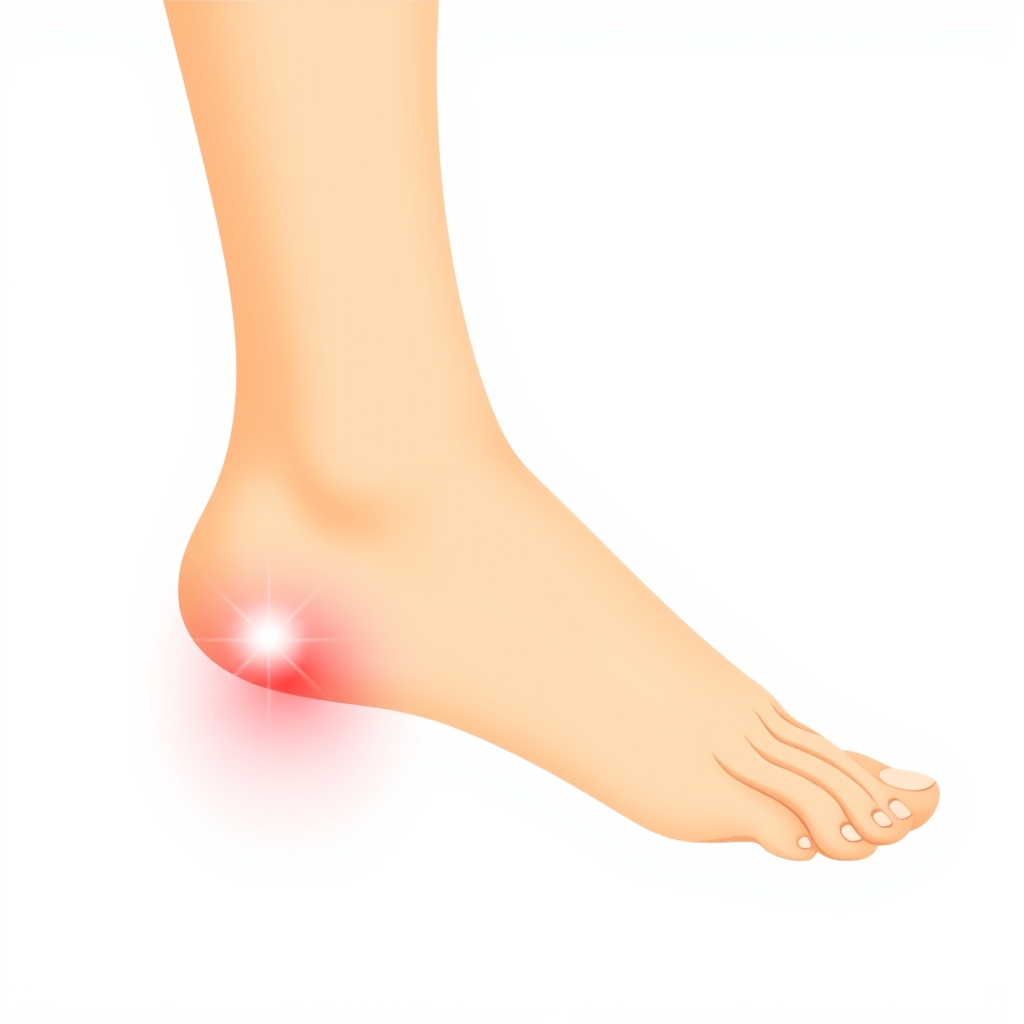
What is Plantar Fasciitis?
Plantar fasciitis is a common foot condition that affects millions of people each year. It’s characterized by inflammation of the plantar fascia, a thick band of tissue that runs across the bottom of your foot, connecting your heel bone to your toes.
Symptoms of Plantar Fasciitis
The most common symptom of plantar fasciitis is heel pain. This is typically most severe during the first few steps after awakening, although it can also be triggered by long periods of standing or rising from sitting. The pain is usually worse after exercise, not during it.
Other symptoms may include:
- Foot pain after prolonged periods of standing or walking.
- Stiffness and pain in the morning or after resting.
- Pain that worsens when climbing stairs or when your foot is flexed.
- Pain that improves as you move around and the foot warms up.
Diagnosing Plantar Fasciitis
Diagnosis of plantar fasciitis is typically made through a physical examination. Your doctor may check your foot for tenderness and ask you to flex your foot while they push on the plantar fascia to see if the pain gets worse. Imaging tests such as X-rays or an MRI may be used to rule out other problems.
Possible Treatments for Plantar Fasciitis
Treatment for plantar fasciitis includes several options:
- Physical Therapy: Exercises and stretches can help strengthen your lower leg muscles, helping to stabilize your walk and lessen the workload on your plantar fascia.
- Medications: Nonsteroidal anti-inflammatory drugs (NSAIDs) can help reduce inflammation and alleviate pain.
- Orthotics and Supportive Shoes: Wearing shoes with good arch support and a cushioned sole can ease discomfort. Custom orthotics could provide additional support.
- Night Splints: Wearing a splint fitted to your calf and foot while you sleep can help stretch your plantar fascia, Achilles tendon, and calf muscles.
- Injection Therapy: Steroid medication may be injected into the plantar fascia to reduce inflammation and pain. Some doctors may also recommend injecting platelet-rich plasma (PRP) to promote healing.
- Surgery: In rare cases, when conservative treatments don’t help, surgery might be considered.
Next Steps
If you’re experiencing symptoms of plantar fasciitis, it’s important to seek professional help. At Sharma Foot & Ankle Specialist, we’re committed to providing personalized care for your foot and ankle needs.
Don’t let foot pain hold you back. Reach out and make an appointment with us today. Your feet will thank you!
Disclaimer: This blog post is for informational purposes only and should not replace professional medical advice. If you’re experiencing symptoms of plantar fasciitis, please consult with a healthcare professional.
Ready to feel better?
Two board-certified surgeons · On-site X-ray · Same-week visits in Plano, TX
Frequently Asked Questions
What is plantar fasciitis?
Plantar fasciitis is a common foot condition that involves inflammation of the plantar fascia, the thick band of tissue that runs along the bottom of your foot connecting your heel bone to your toes. It affects millions of people each year and is one of the most frequent causes of heel pain. Irritation of this tissue is what produces the characteristic discomfort.
What are the symptoms of plantar fasciitis?
The most common symptom is heel pain, which is typically worst during your first few steps after waking up. The pain can also be triggered by long periods of standing or by rising after sitting, and it tends to feel worse after exercise rather than during it. Many people also notice morning stiffness and pain that eases as the foot warms up with movement.
What causes the pain to be worse in the morning?
With plantar fasciitis, pain is often most severe during the first few steps after awakening or after resting. While the foot is at rest, the plantar fascia tightens, so the initial steps stretch the irritated tissue and can be uncomfortable. The pain commonly improves as you move around and the foot warms up.
How is plantar fasciitis treated?
Plantar fasciitis is usually managed with conservative care, including physical therapy stretches, over-the-counter anti-inflammatory medications (NSAIDs), and supportive shoes or orthotics with good arch support. Night splints and, in some cases, injection therapy may also be options. Surgery is considered only in rare cases when conservative treatments do not help, so it is best to discuss the right plan with a healthcare professional.
How is plantar fasciitis diagnosed?
Diagnosis is typically made through a physical examination, during which your doctor checks the foot for tenderness and may ask you to flex your foot while pressing on the plantar fascia to see if the pain worsens. Imaging tests such as X-rays or an MRI may be used to rule out other problems. A proper evaluation helps confirm the diagnosis and guide treatment.
When should I see a podiatrist for plantar fasciitis?
If you are experiencing ongoing heel or foot pain, morning stiffness, or symptoms that do not improve with rest and supportive shoes, it is a good idea to seek professional help. The team at Sharma Foot & Ankle Specialist in Plano, TX provides personalized care for foot and ankle concerns, including plantar fasciitis. You can book an appointment online to have your symptoms evaluated and discuss a treatment plan.
This information is for educational purposes only and is not a substitute for professional medical advice. If you’re experiencing symptoms, please consult a qualified healthcare provider.