
Skin & Fungal
Understanding Athlete’s Foot: Symptoms, Diagnosis, Treatments, and Next Steps
A common fungal skin infection (tinea pedis) — the signs, how we treat it, and how to stop it spreading.
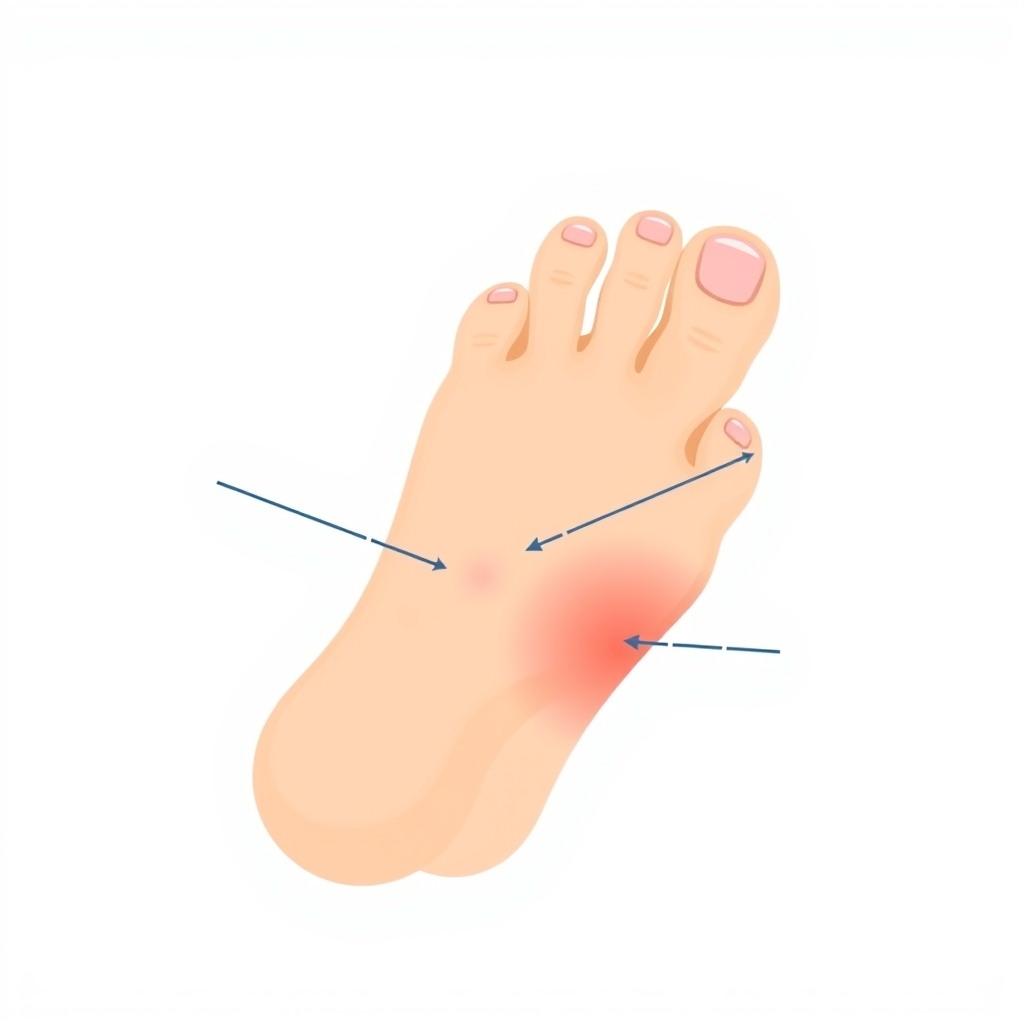
What is an Athlete’s Foot?
Athlete’s foot, also known as tinea pedis, is a common fungal infection that affects the skin on the feet. It can also spread to the toenails and the hands. The condition is named “athlete’s foot” because it’s commonly seen in athletes, although it can affect anyone.
Symptoms of Athlete’s Foot
The symptoms of athlete’s foot can vary from person to person, but they often include:
- Itching, stinging, and burning between your toes or on the soles of your feet.
- Blisters on your feet that itch.
- Cracking and peeling skin on your feet, most commonly between your toes and on your soles.
- Dry skin on your soles or sides of your feet.
- Raw skin on your feet.
- Discolored, thick, and crumbly toenails.
In pain now?
Same-week appointments available in Plano, TX.
Diagnosing Athlete’s Foot
Diagnosis of an athlete’s foot is typically made through a physical examination. Your doctor may inspect your foot for signs of a fungal infection. In some cases, a skin lesion potassium hydroxide exam may be used to confirm the diagnosis.
Possible Treatments for Athlete’s Foot
There are several treatment options for athlete’s foot:
- Over-the-counter antifungal products: These include creams, powders, sprays, and lotions that can help kill the fungus and prevent it from spreading.
- Prescription medications: If over-the-counter treatments aren’t effective, your doctor may prescribe stronger antifungal medications.
- Good foot hygiene: Keeping your feet clean and dry can help prevent the fungus from spreading. It’s also important to avoid sharing shoes, socks, or towels with others.
Next Steps
If you’re experiencing symptoms of athlete’s foot, it’s important to seek professional help. At Sharma Foot & Ankle Specialist, we’re dedicated to providing personalized care for your foot and ankle needs.
Don’t let foot discomfort hold you back. Reach out and make an appointment with us today. Your feet will thank you!
Ready to feel better?
Two ABPM board-certified podiatrists · On-site X-ray · Same-week visits in Plano, TX
Explore related conditions
Athlete’s Foot rarely travels alone
Foot problems overlap. If your pain sounds more like one of these, jump straight to the page that fits — it’s all connected.
Frequently Asked Questions
What is athlete’s foot?
Athlete’s foot, also known as tinea pedis, is a common fungal infection that affects the skin on the feet. It can also spread to the toenails and the hands. While it’s commonly seen in athletes, it can affect anyone.
What are the symptoms of athlete’s foot?
Symptoms often include itching, stinging, and burning between the toes or on the soles, along with blisters that itch, and cracking or peeling skin. You may also notice dry or raw skin on your soles or the sides of your feet, and in some cases discolored, thick, and crumbly toenails.
How is athlete’s foot diagnosed?
Diagnosis is typically made through a physical examination, where your doctor inspects your foot for signs of a fungal infection. In some cases, a skin lesion potassium hydroxide (KOH) exam may be used to help confirm the diagnosis.
How is athlete’s foot treated?
Many cases respond to over-the-counter antifungal products such as creams, powders, sprays, and lotions that help kill the fungus and prevent it from spreading. If those aren’t effective, your doctor may prescribe stronger antifungal medications. Keeping your feet clean and dry supports treatment and helps prevent the fungus from spreading.
How can I prevent athlete’s foot from spreading?
Good foot hygiene is key: keep your feet clean and dry, since the fungus thrives in moist conditions. It also helps to avoid sharing shoes, socks, or towels with others.
When should I see a podiatrist for athlete’s foot?
If you’re experiencing symptoms of athlete’s foot, especially if they don’t improve with over-the-counter treatment or your toenails become discolored, thick, or crumbly, it’s a good idea to seek professional help. At Sharma Foot & Ankle Specialist in Plano, TX, our team provides personalized care for your foot and ankle needs, and you can book an appointment online.
This information is for educational purposes only and is not a substitute for professional medical advice. If you’re experiencing symptoms, please consult a qualified healthcare provider.