
Toe & Structure
Understanding Bunions and Hammertoes: Symptoms, Diagnosis, Treatments, and Next Steps
Progressive toe deformities — what causes them, when to act, and the full range of treatments.
Explore related conditions
Bunions & Hammertoes rarely travels alone
Foot problems overlap. If your pain sounds more like one of these, jump straight to the page that fits — it’s all connected.
What are Bunions and Hammertoes?
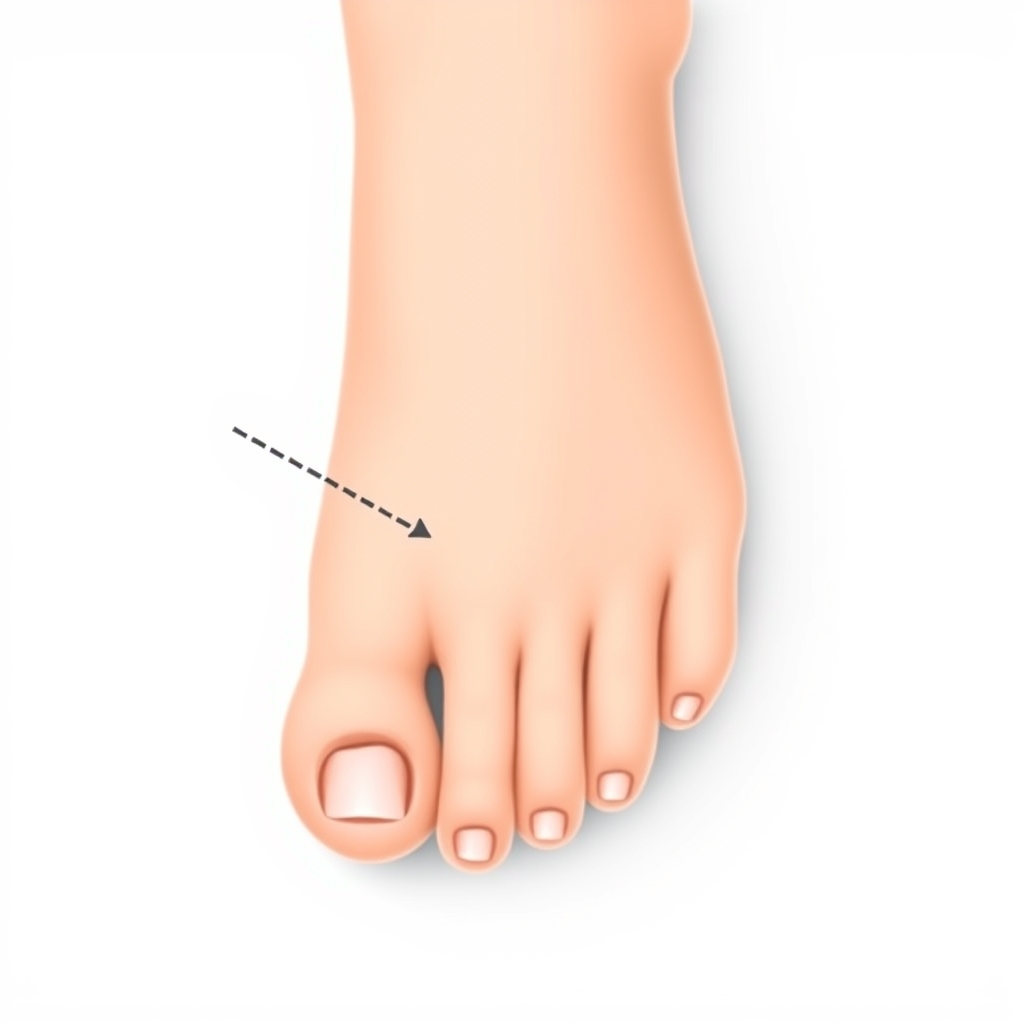
A bunion is a bony bump that forms on the joint at the base of your big toe. It occurs when some of the bones in the front part of your foot move out of place. This causes the tip of your big toe to get pulled toward the smaller toes and forces the joint at the base of your big toe to stick out.
A hammertoe is a deformity that causes a toe to bend or curl downward instead of pointing forward. This deformity can affect any toe on your foot but it most often affects the second or third toe.
Symptoms of Bunions and Hammertoes
The symptoms of bunions and hammertoes include:
- Pain and soreness.
- Inflammation and redness.
- A burning sensation.
- Possible numbness.
- Changes in the shape of your foot.
Diagnosing Bunions and Hammertoes
Diagnosis of bunions and hammertoes typically involves a physical examination by a healthcare professional. They may also ask about your symptoms and medical history. In some cases, an X-ray may be used to determine the degree of the deformity.
Possible Treatments for Bunions and Hammertoes
There are several treatment options for bunions and hammertoes:
- Changes in Footwear: Choose shoes with plenty of room for your toes and avoid high heels.
- Padding and Taping: Your doctor can help you tape and pad your foot in a normal position. This can reduce stress on the bunion and relieve your pain.
- Medications: Nonsteroidal anti-inflammatory drugs (NSAIDs), such as ibuprofen, may help to relieve pain.
- Injection Therapy: Corticosteroid injections can help reduce pain and inflammation.
- Surgery: If conservative treatments don’t help, surgical procedures are available to treat bunions and hammertoes.
Next Steps
If you’re experiencing symptoms of bunions or hammertoes, it’s important to seek professional help. At Sharma Foot & Ankle Specialist, we’re dedicated to providing personalized care for your foot and ankle needs.
Don’t let foot discomfort hold you back. Reach out and make an appointment with us today. Your feet will thank you!
Ready to feel better?
Two board-certified surgeons · On-site X-ray · Same-week visits in Plano, TX
Frequently Asked Questions
What is a bunion?
A bunion is a bony bump that forms on the joint at the base of your big toe. It develops when some of the bones in the front of your foot move out of place, which pulls the tip of the big toe toward the smaller toes and forces the joint at its base to stick out. Common symptoms include pain, soreness, redness, and visible changes in the shape of your foot.
What is a hammertoe and how is it different from a bunion?
A hammertoe is a deformity that causes a toe to bend or curl downward instead of pointing forward, and it most often affects the second or third toe. A bunion, by contrast, is a bony bump at the base of the big toe. Both can cause pain and changes in the shape of your foot, and they sometimes occur together.
What causes bunions and hammertoes?
Bunions form when bones in the front of the foot shift out of place, and footwear that crowds the toes can contribute to and worsen both bunions and hammertoes. Shoes with little room for the toes and high heels are commonly linked to these problems, which is why choosing shoes with plenty of toe room is often recommended. Foot structure and family history can also play a role. A podiatrist can help identify the factors involved in your case.
How do you get rid of bunions and hammertoes?
Treatment usually starts with conservative measures such as switching to roomier shoes and avoiding high heels, along with padding and taping the foot in a more normal position to reduce stress and relieve pain. Nonsteroidal anti-inflammatory drugs like ibuprofen may ease pain, and corticosteroid injections can help reduce pain and inflammation. If conservative treatments don’t help, surgical procedures are available; a podiatrist can advise which options fit your situation.
Do bunion correctors and pads work?
Padding and taping the foot can help hold it in a more normal position, reduce stress on the bunion, and relieve pain, which is why they are a common conservative step. However, these measures generally manage symptoms rather than reverse the underlying bone deformity. Results vary from person to person, so it’s best to have a podiatrist assess your foot and recommend the right approach.
When should I see a podiatrist for bunions and hammertoes?
If you’re experiencing pain, soreness, redness, a burning sensation, numbness, or changes in the shape of your foot, it’s a good idea to seek professional help rather than wait for it to worsen. At Sharma Foot & Ankle Specialist in Plano, TX, our team provides personalized care for bunions, hammertoes, and other foot and ankle concerns, including diagnosis with a physical exam and X-rays when needed. You can book an appointment online to have your feet evaluated.
This information is for educational purposes only and is not a substitute for professional medical advice. If you’re experiencing symptoms, please consult a qualified healthcare provider.