
Structure & Arch
Understanding Flat feet: Symptoms, Diagnosis, Treatments, and Next Steps
Fallen arches (flat feet) — how they affect the whole foot and the supports that relieve pain.
Explore related conditions
Flat Feet rarely travels alone
Foot problems overlap. If your pain sounds more like one of these, jump straight to the page that fits — it’s all connected.
What are Flat Feet?
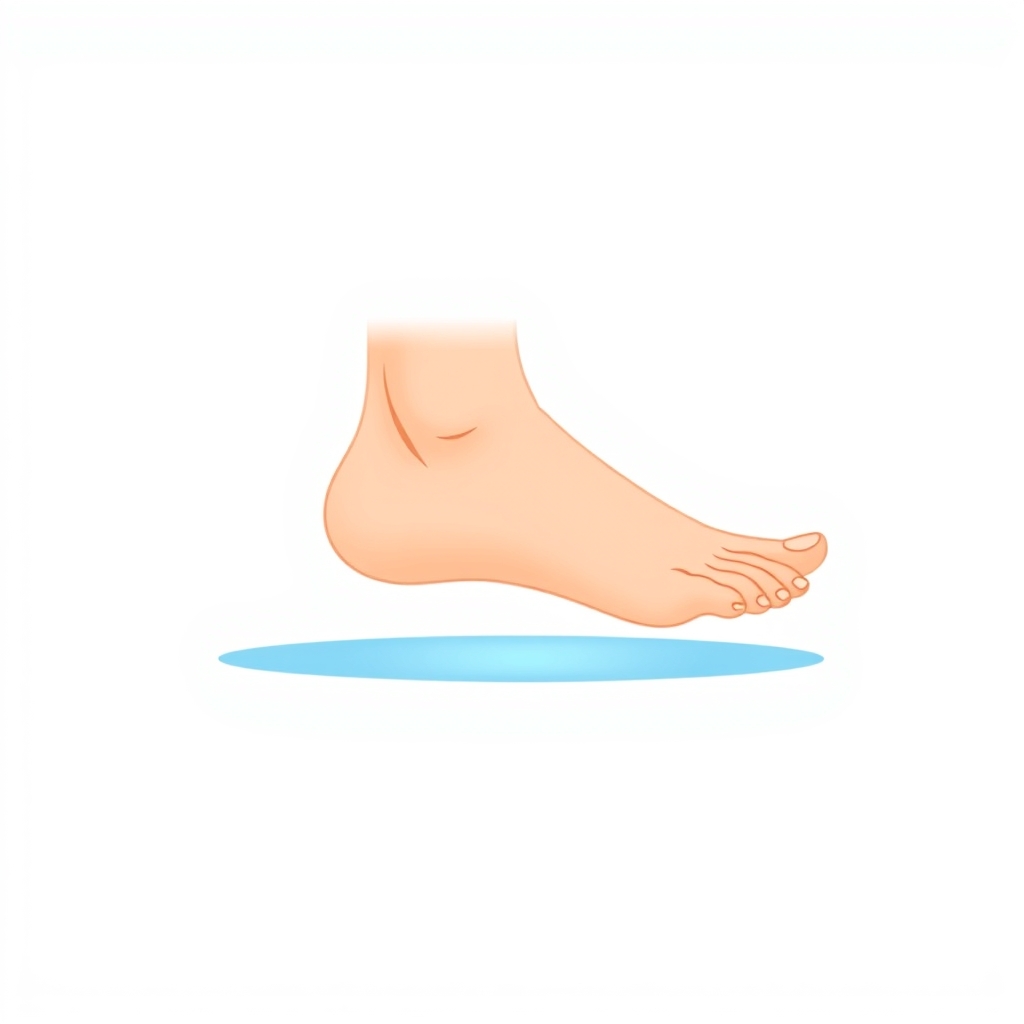
Flat Feet, also known as fallen arches, is a condition where the entire sole of the foot touches the ground when standing. While it’s common in infants and toddlers, as most people’s arches develop throughout childhood, it can also occur in adults due to injury, aging, or obesity.
Symptoms of Flat Feet
While many people with flatfeet experience no pain or other symptoms, some may experience:
- Pain in the heel or arch area.
- Swelling along the inside of the ankle.
- Foot fatigue.
- Difficulty with foot movement.
Diagnosing Flatfeet
Diagnosis of flatfeet typically involves a physical examination by a healthcare professional. They may observe the feet and legs as you stand and ask about your medical history. In some cases, imaging tests such as X-rays, CT scans, or MRIs may be used to assess the structure of the foot and ankle.
Possible Treatments for Flat feet
There are several treatment options for flatfeet:
- Orthotic Devices: Custom-designed arch supports (orthotics) can help relieve pressure on the arch and reduce pain.
- Supportive Shoes: Shoes with good arch support and a slightly raised heel can provide relief.
- Physical Therapy: Exercises and stretches can help improve the strength and flexibility of the foot and ankle.
- Surgery: In severe cases, surgery may be necessary to correct the foot deformity.
Next Steps
If you’re experiencing symptoms of flatfeet, it’s important to seek professional help. At Sharma Foot & Ankle Specialist, we’re dedicated to providing personalized care for your foot and ankle needs.
Don’t let foot discomfort hold you back. Reach out and make an appointment with us today. Your feet will thank you!
Ready to feel better?
Two board-certified surgeons · On-site X-ray · Same-week visits in Plano, TX
Frequently Asked Questions
What are flat feet?
Flat feet, also called fallen arches, is a condition where the entire sole of the foot touches the ground when standing. It is common in infants and toddlers, since arches typically develop through childhood, but it can also appear in adults. In adults, flat feet may develop due to injury, aging, or obesity.
What are the symptoms of flat feet?
Many people with flat feet have no pain or symptoms at all. When symptoms do occur, they can include pain in the heel or arch area, swelling along the inside of the ankle, foot fatigue, and difficulty with foot movement. If these symptoms affect your daily activities, it is reasonable to have your feet evaluated.
How are flat feet diagnosed?
Flat feet are usually diagnosed with a physical examination, during which a healthcare professional observes your feet and legs as you stand and asks about your medical history. In some cases, imaging tests such as X-rays, CT scans, or MRIs may be used to assess the structure of the foot and ankle. This helps determine the cause and guide treatment.
How are flat feet treated?
Treatment depends on your symptoms and may include custom orthotic devices (arch supports) to relieve pressure on the arch, supportive shoes with good arch support and a slightly raised heel, and physical therapy exercises to strengthen and stretch the foot and ankle. In severe cases, surgery may be needed to correct the foot deformity. Many people find relief with non-surgical options.
Can flat feet cause heel or arch pain?
Yes, flat feet can be associated with pain in the heel or arch area, along with swelling on the inside of the ankle and general foot fatigue. Not everyone with flat feet has pain, but when discomfort is present it can make standing and walking harder. Supportive shoes, orthotics, and physical therapy may help ease these symptoms.
When should I see a podiatrist for flat feet?
Consider seeing a podiatrist if you have ongoing heel or arch pain, swelling along the inside of the ankle, foot fatigue, or difficulty moving your foot. A professional exam can identify the cause and recommend options such as orthotics, supportive footwear, or physical therapy. At Sharma Foot & Ankle Specialist in Plano, TX, our team provides personalized foot and ankle care, and you can book an appointment online.
This information is for educational purposes only and is not a substitute for professional medical advice. If you’re experiencing symptoms, please consult a qualified healthcare provider.