
Joint & Inflammation
Understanding Bursitis: Symptoms, Diagnosis, Treatments, and Next Steps
Inflammation of the foot’s cushioning sacs — where it strikes, why, and how we calm it down.
Explore related conditions
Bursitis rarely travels alone
Foot problems overlap. If your pain sounds more like one of these, jump straight to the page that fits — it’s all connected.
What is Bursitis?
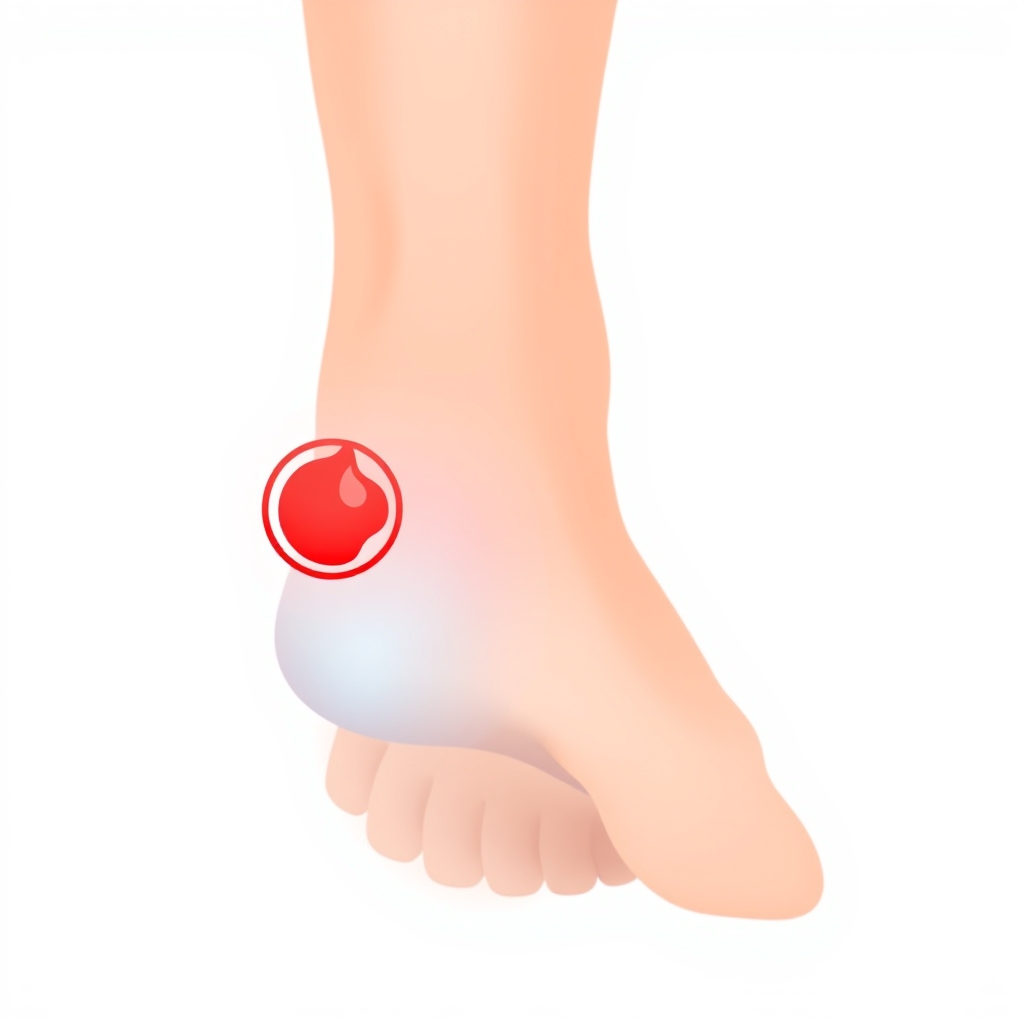
Bursitis is a painful condition that affects the small, fluid-filled sacs — called bursae — that cushion the bones, tendons and muscles near your joints. Bursitis occurs when bursae become inflamed, and it often occurs in joints that perform frequent repetitive motion.
Symptoms of Bursitis
The symptoms of bursitis can include:
- Joint pain and tenderness.
- Swelling and warmth over the joint.
- Stiffness and aching when moving the joint.
- Sharp, shooting pain during exercise or movement.
Diagnosing Bursitis
Diagnosis of bursitis typically involves a physical examination by a healthcare professional. They may press on the affected area to check for tenderness and swelling. In some cases, imaging tests such as X-rays, ultrasound, or MRIs may be used to rule out other conditions.
Possible Treatments for Bursitis
There are several treatment options for bursitis:
- Rest and Ice: Resting the affected joint and applying ice can help reduce inflammation and pain.
- Physical Therapy: Specific exercises can help strengthen the muscles around your joint.
- Medications: Over-the-counter pain relievers and anti-inflammatory drugs can help reduce pain and inflammation.
- Injection Therapy: Corticosteroid injections can help reduce inflammation and relieve pain.
Next Steps
If you’re experiencing symptoms of bursitis, it’s important to seek professional help. At Sharma Foot & Ankle Specialist, we’re dedicated to providing personalized care for your foot and ankle needs.
Don’t let joint discomfort hold you back. Reach out and make an appointment with us today. Your feet will thank you!
Ready to feel better?
Two board-certified surgeons · On-site X-ray · Same-week visits in Plano, TX
Frequently Asked Questions
What is bursitis?
Bursitis is a painful condition affecting the bursae, the small fluid-filled sacs that cushion the bones, tendons, and muscles near your joints. It happens when these sacs become inflamed. It often develops in joints that perform frequent, repetitive motion.
What are the symptoms of bursitis?
Common symptoms include joint pain and tenderness, along with swelling and warmth over the affected joint. You may also notice stiffness and aching when you move the joint, or sharp, shooting pain during exercise or movement. If these symptoms persist, it is worth having the joint evaluated.
How is bursitis diagnosed?
Diagnosis usually starts with a physical examination, during which a healthcare professional may press on the affected area to check for tenderness and swelling. In some cases, imaging tests such as X-rays, ultrasound, or MRI may be used to rule out other conditions. This helps confirm bursitis and guide the right treatment.
How is bursitis treated?
Treatment often begins with rest and ice to help reduce inflammation and pain. Physical therapy exercises can strengthen the muscles around the joint, while over-the-counter pain relievers and anti-inflammatory medications may ease pain and inflammation. In some cases, corticosteroid injections are used to reduce inflammation and relieve pain. Your provider can help determine which options are most appropriate for you.
Can bursitis go away on its own?
Mild bursitis may improve with conservative care such as resting the affected joint and applying ice to reduce inflammation. Avoiding the repetitive motions that triggered it can also help. If pain, swelling, or stiffness does not improve or keeps returning, it is a good idea to have it evaluated by a professional.
When should I see a podiatrist for bursitis?
If you are experiencing ongoing joint pain, swelling, stiffness, or symptoms of bursitis in your foot or ankle, it is important to seek professional help rather than letting the discomfort hold you back. At Sharma Foot & Ankle Specialist in Plano, TX, the team provides personalized care for foot and ankle concerns, and you can book an appointment online. Getting evaluated can help confirm the cause and guide the right treatment.
This information is for educational purposes only and is not a substitute for professional medical advice. If you’re experiencing symptoms, please consult a qualified healthcare provider.