
Forefoot & Ball of Foot
Understanding Sesamoiditis: A Comprehensive Guide
Inflammation under the big-toe joint — common in athletes and dancers, and very treatable.
Explore related conditions
Sesamoiditis rarely travels alone
Foot problems overlap. If your pain sounds more like one of these, jump straight to the page that fits — it’s all connected.
Introduction
Sesamoiditis is a common foot ailment, particularly among athletes and physically active individuals. This post aims to provide a comprehensive understanding of sesamoiditis, its causes, symptoms, treatment options, and prevention strategies.
What is Sesamoiditis?
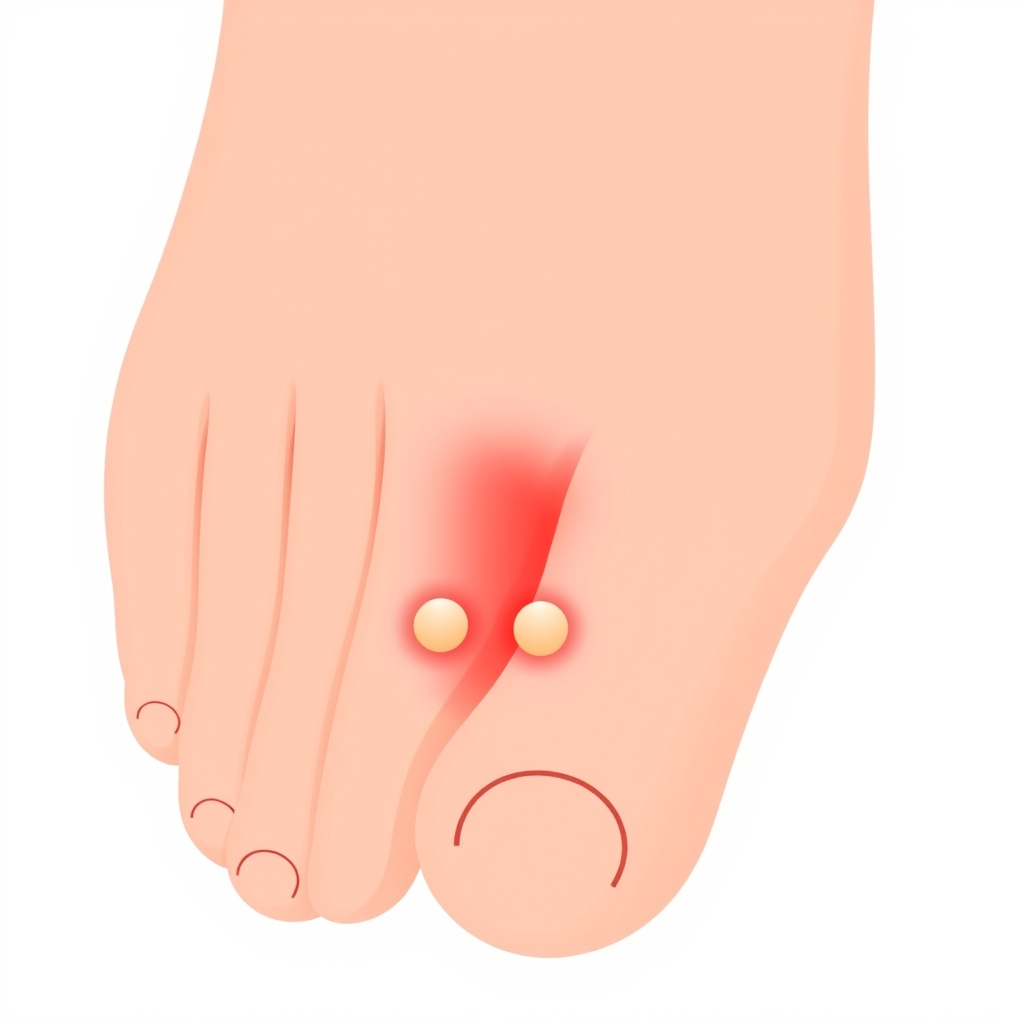
Sesamoiditis is an inflammation of the sesamoid bones, two pea-sized bones located in the ball of the foot, beneath the big toe. These bones, embedded within tendons, help with weight-bearing and toe movements. Overuse or intense pressure can lead to sesamoiditis, causing pain and discomfort.
Causes and Risk Factors
Sesamoiditis is often linked to activities that put significant stress on the forefoot, such as running, ballet, and basketball. Other risk factors include wearing high-heeled shoes, having high arches, or possessing a prominent sesamoid bone.
Symptoms of Sesamoiditis
The primary symptom of sesamoiditis is a gradual onset of pain under the big toe, which may be accompanied by swelling and bruising. The pain tends to worsen with movement or pressure and improves with rest.
Diagnosis
Diagnosis of sesamoiditis typically involves a physical examination of the foot and medical history review. Imaging tests like X-rays or MRIs may be used to rule out fractures and other conditions.
Treatment Options
Treatment for sesamoiditis primarily aims to relieve pain and reduce inflammation. This can involve:
- Rest and Ice: Avoiding activities that cause pain and applying ice can help reduce inflammation.
- Orthotics: Custom orthotic devices can offload pressure from the sesamoid bones.
- Medication: Nonsteroidal anti-inflammatory drugs (NSAIDs) can help manage pain and inflammation.
- Physical Therapy: Specific exercises can strengthen the toe and foot muscles, improving stability and preventing future injuries.
In severe cases, surgical intervention may be necessary.
Prevention Strategies
Preventing sesamoiditis involves reducing stress on the sesamoid bones. This can be achieved through proper footwear, gradual increases in physical activity, and regular foot care.
Conclusion
Sesamoiditis is a manageable condition with the right care and preventive measures. If you’re experiencing foot pain, it’s important to seek professional help. Podiatrists can provide a thorough diagnosis and personalized treatment plan.
If you’re in the McKinney, Texas area and suspect you may have sesamoiditis, consider reaching out to Sharma Foot & Ankle Specialist. Our experienced team is ready to help you get back on your feet. Visit us at 8080 Independence Parkway, Suite #220, or call us today!
Ready to feel better?
Two board-certified surgeons · On-site X-ray · Same-week visits in Plano, TX
Frequently Asked Questions
What is sesamoiditis?
Sesamoiditis is inflammation of the sesamoid bones, two pea-sized bones in the ball of the foot beneath the big toe. These bones are embedded within tendons and help with weight-bearing and toe movement. Overuse or intense pressure on the forefoot can inflame them, leading to pain and discomfort.
What causes sesamoiditis?
Sesamoiditis is often linked to activities that place significant stress on the forefoot, such as running, ballet, and basketball. Other risk factors include wearing high-heeled shoes, having high arches, or having a prominent sesamoid bone. In general, repeated overuse or intense pressure on the ball of the foot is the underlying trigger.
What are the symptoms of sesamoiditis?
The main symptom is a gradual onset of pain under the big toe, which may come with swelling and bruising. The pain typically worsens with movement or pressure and eases with rest. Because these signs can overlap with other foot problems, a proper evaluation helps confirm the cause.
How is sesamoiditis treated?
Treatment focuses on relieving pain and reducing inflammation. Common approaches include rest and ice, custom orthotics to offload pressure from the sesamoid bones, nonsteroidal anti-inflammatory drugs (NSAIDs) for pain, and physical therapy to strengthen the foot and toe muscles. In severe cases, surgical intervention may be necessary, so a podiatrist can tailor a plan to your situation.
How can I prevent sesamoiditis?
Prevention centers on reducing stress on the sesamoid bones. This can be supported by wearing proper footwear, increasing physical activity gradually rather than suddenly, and keeping up with regular foot care. These habits may also help reduce the chance of the problem returning.
When should I see a podiatrist for sesamoiditis?
If you have ongoing pain under the big toe, or swelling and bruising that worsen with activity and do not improve with rest, it is a good idea to seek professional care. A podiatrist can provide a thorough diagnosis, sometimes using X-rays or MRI to rule out fractures, and create a personalized treatment plan. Patients in the Plano, Texas area can reach out to Sharma Foot & Ankle Specialist, where you can book an appointment online.
This information is for educational purposes only and is not a substitute for professional medical advice. If you’re experiencing symptoms, please consult a qualified healthcare provider.