
Nerve & Sensation
Understanding Neuropathy: Symptoms, Diagnosis, Treatments, and Next Steps
Numbness, tingling, or burning from nerve damage — causes, diagnosis, and how we protect your feet.
Explore related conditions
Neuropathy rarely travels alone
Foot problems overlap. If your pain sounds more like one of these, jump straight to the page that fits — it’s all connected.
What is Neuropathy?
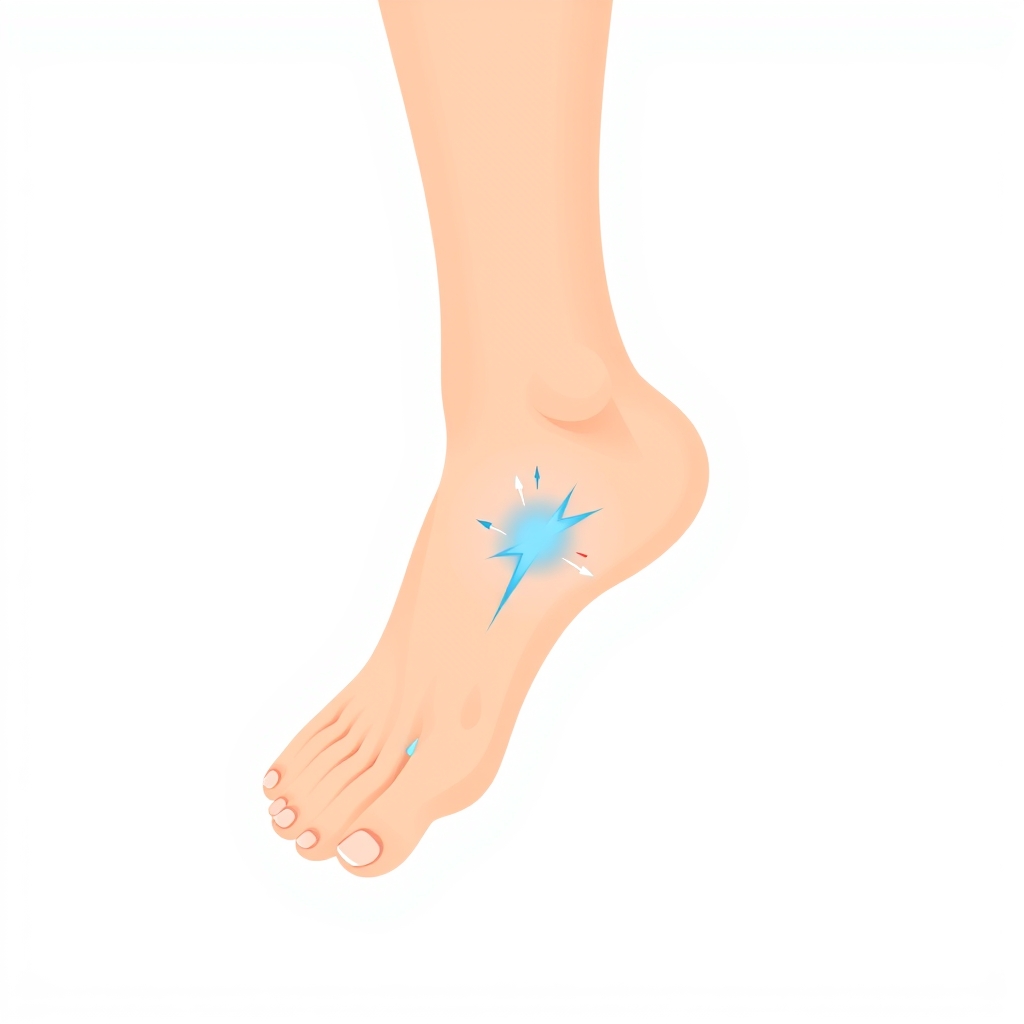
Neuropathy, also known as peripheral neuropathy, is a condition that results from damage to the peripheral nerves. These nerves carry signals between the central nervous system (the brain and spinal cord) and the rest of the body. Neuropathy can cause a variety of symptoms and can affect motor nerves, sensory nerves, or autonomic nerves.
Symptoms of Neuropathy
The symptoms of neuropathy can vary greatly depending on the type of nerves affected, but they often include:
- Numbness, tingling, or pain in the toes, feet, legs, hands, arms, and fingers.
- Muscle weakness or paralysis if motor nerves are affected.
- Heat intolerance and altered sweating if autonomic nerves are affected.
- Digestive problems, changes in blood pressure, and bladder or bowel issues if autonomic nerves are affected.
Diagnosing Neuropathy
Diagnosis of neuropathy typically involves a physical examination and a review of your medical history. Your doctor may also perform nerve function tests, blood tests, and imaging tests to determine the cause and extent of your neuropathy.
Possible Treatments for Neuropathy
There are several treatment options for neuropathy:
- Medications: Over-the-counter pain relievers, anti-seizure medications, and antidepressants can help manage the symptoms of neuropathy.
- Therapies: Physical therapy can help improve mobility if neuropathy affects your motor nerves. If you have problems with your feet, orthopedic shoes or braces might help.
- Injection Therapy: In some cases, injections of nerve-blocking medications can help alleviate pain.
- Lifestyle Changes: Regular exercise, quitting smoking, and maintaining a healthy diet can also help manage symptoms and improve the overall quality of life.
Next Steps
If you’re experiencing symptoms of neuropathy, it’s important to seek professional help. At Sharma Foot & Ankle Specialist, we’re dedicated to providing personalized care for your foot and ankle needs.
Don’t let foot discomfort hold you back. Reach out and make an appointment with us today. Your feet will thank you!
Ready to feel better?
Two board-certified surgeons · On-site X-ray · Same-week visits in Plano, TX
Frequently Asked Questions
What is neuropathy?
Neuropathy, also called peripheral neuropathy, is a condition caused by damage to the peripheral nerves, the nerves that carry signals between your brain and spinal cord and the rest of your body. Depending on which nerves are affected, it can involve motor nerves, sensory nerves, or autonomic nerves. In the feet, this nerve damage often shows up as numbness, tingling, or pain.
What are the symptoms of foot neuropathy?
Foot neuropathy commonly causes numbness, tingling, or pain in the toes, feet, and legs, and it can also affect the hands, arms, and fingers. If motor nerves are involved, you may notice muscle weakness, and if autonomic nerves are affected, symptoms can include changes in sweating and heat intolerance. Symptoms vary from person to person depending on which nerves are damaged.
How is neuropathy diagnosed?
Diagnosing neuropathy typically begins with a physical examination and a review of your medical history. Your doctor may also order nerve function tests, blood tests, and imaging tests to help identify the underlying cause and determine how far the nerve damage has progressed. Pinpointing the cause helps guide the most appropriate treatment.
What are the treatment options for neuropathy?
Treatment focuses on managing symptoms and may include medications such as over-the-counter pain relievers, anti-seizure medications, or antidepressants. Physical therapy, orthopedic shoes or braces, and in some cases injections of nerve-blocking medication can also help. Lifestyle changes like regular exercise, quitting smoking, and a healthy diet can support symptom management and overall quality of life. Treatment is individualized, so results vary from person to person.
Can diabetic neuropathy be reversed?
In general, established nerve damage from neuropathy cannot be fully reversed, so treatment focuses on managing symptoms and slowing further damage. Steps like keeping blood sugar well controlled, exercising regularly, not smoking, and maintaining a healthy diet may help limit progression and improve quality of life. A medical evaluation is the best way to understand your specific situation and options.
When should I see a podiatrist for foot neuropathy?
If you are experiencing numbness, tingling, pain, or weakness in your feet, it is important to seek professional help, since early evaluation can help identify the cause and protect your foot health. At Sharma Foot & Ankle Specialist in Plano, TX, the team provides personalized care for foot and ankle concerns, including neuropathy. You can book an appointment online to have your symptoms evaluated.
This information is for educational purposes only and is not a substitute for professional medical advice. If you’re experiencing symptoms, please consult a qualified healthcare provider.